


Introduction
The global economy uncertainty in 2026 is no longer just a topic discussed by economists or financial experts—it has become a reality that affects every individual, business, and nation across the world. From rising inflation and unstable job markets to geopolitical tensions and fluctuating stock markets, the global financial system is experiencing one of its most complex and unpredictable phases in modern history.
Over the past few years, the world economy has faced multiple shocks. The after-effects of the COVID-19 pandemic, disruptions in global supply chains, increasing energy prices, and ongoing geopolitical conflicts have collectively created a fragile economic environment. As a result, uncertainty has become the new normal.
But what exactly does global economy uncertainty mean? In simple terms, it refers to a situation where businesses, governments, and individuals are unsure about future economic conditions. This includes uncertainty about inflation rates, employment opportunities, investment returns, interest rates, and overall economic growth.
One of the key reasons why this uncertainty is so concerning is its widespread impact. Unlike localized economic problems, global uncertainty affects multiple countries simultaneously. For example, when inflation rises in major economies like the United States or Europe, it can influence markets worldwide, including developing countries like India.
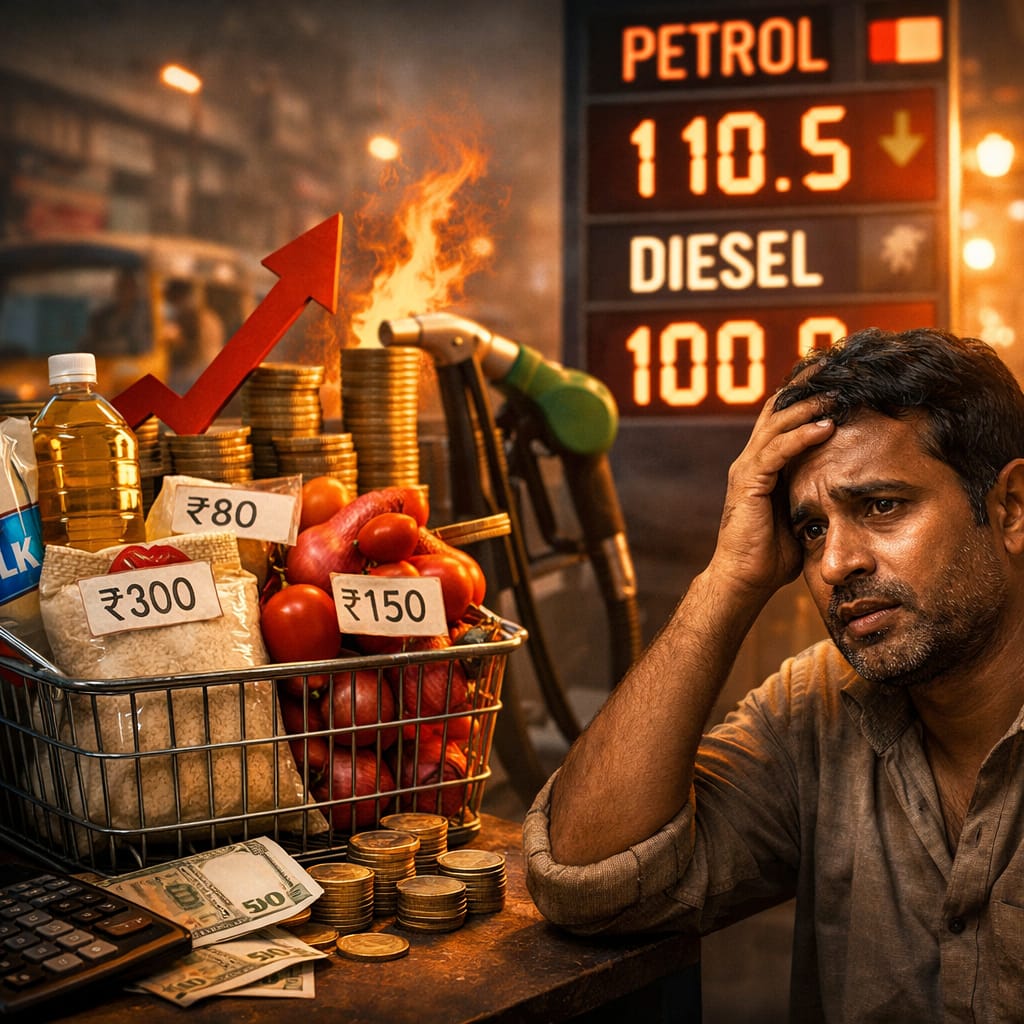
Another major factor contributing to global economic instability is the rapid rise of inflation. Prices of essential goods such as food, fuel, and housing have increased significantly. This reduces the purchasing power of consumers and forces central banks to take strict measures, such as increasing interest rates. While these measures aim to control inflation, they also slow down economic growth and increase borrowing costs.
At the same time, the job market is undergoing a major transformation. Many companies, especially in the technology sector, are reducing their workforce to cut costs and adapt to changing market conditions. Automation and artificial intelligence are also replacing certain job roles, adding another layer of uncertainty for employees.
Geopolitical tensions further complicate the situation. Conflicts between nations can disrupt trade routes, increase energy prices, and create instability in financial markets. These events often lead to sudden changes in investor sentiment, causing stock markets to become highly volatile.
In addition to this, global supply chains are still recovering from previous disruptions. Delays in production and transportation have led to shortages of goods and increased costs for businesses. This, in turn, affects consumers through higher prices and limited availability of products.
Despite these challenges, it is important to understand that economic uncertainty also creates opportunities. During periods of instability, new industries emerge, innovation accelerates, and businesses that adapt quickly can gain a competitive advantage. For example, the rise of digital technology, remote work, and online businesses has opened new avenues for growth.
For individuals, understanding global economic uncertainty is crucial for making informed financial decisions. Whether it is saving money, investing in assets, or planning a career, awareness of economic trends can help reduce risks and improve long-term stability.
For businesses, adapting to uncertainty requires flexibility and strategic planning. Companies need to focus on cost management, digital transformation, and diversification to survive and thrive in a changing environment.
Governments also play a vital role in managing economic uncertainty. Through policies related to taxation, interest rates, and public spending, they can stabilize the economy and support growth. However, balancing these policies is a complex task, especially in a globally interconnected world.
In 2026, the global economy stands at a crossroads. While challenges such as inflation, unemployment, and geopolitical tensions continue to create uncertainty, there are also signs of resilience and recovery in various sectors.
This article aims to provide a comprehensive understanding of global economic uncertainty, its causes, impacts, and future outlook. By breaking down complex concepts into simple terms, we will explore how these global changes affect everyday life and what steps can be taken to navigate this uncertain landscape.
Whether you are a student, a professional, a business owner, or simply someone interested in understanding the world around you, this guide will help you gain valuable insights into one of the most important issues of our time.
n financial markets, economic growth, employment, and trade across the world.
It often happens when:
– Inflation rises rapidly
– Interest rates increase
– Wars or political tensions escalate
– Supply chains are disrupted
👉 Simply put: When no one is sure what will happen next in the economy, uncertainty rises.
—
🔥 Major Causes of Global Economy Uncertainty (2026)
1. Rising Inflation Worldwide
Inflation remains one of the biggest concerns globally. Prices of food, fuel, and daily necessities are increasing rapidly.
– Cost of living is rising
– Purchasing power is decreasing
– Savings are losing value
—
2. Interest Rate Hikes
Central banks are increasing interest rates to control inflation.
Effects:
– Loans become expensive
– Businesses reduce investments
– Economic growth slows down
—
3. Geopolitical Conflicts
Ongoing global tensions and wars are impacting trade and markets.
– Supply chain disruptions
– Energy crisis
– Increased military spending
—
4. Tech Layoffs & Job Market Instability
Thousands of employees are losing jobs due to cost-cutting and automation.
– IT sector layoffs increasing
– Freelancing and gig economy rising
– Job security declining
—
5. Supply Chain Disruptions
Global supply chains are still recovering from past disruptions.
– Delayed shipments
– Increased production costs
– Shortage of essential goods
—
📉 Impact on Global Economy
1. Stock Market Volatility
Markets are fluctuating unpredictably.
– Investors are cautious
– Currencies are becoming unstable against the US dollar.
🌍 Impact on India
India is also experiencing the effects of global uncertainty.
Rising fuel prices
Inflation in food items
IT sector layoffs
Strong but cautious economic growth
👉 However, India remains one of the fastest-growing major economies.
🔮 Future Predictions (2026–2030)
Experts suggest:
Inflation may stabilize slowly
AI and automation will reshape jobs
Emerging markets (like India) will grow faster
Digital economy will dominate
💡 How to Stay Safe in Economic Uncertainty
For Individuals:
Save more money
Avoid unnecessary loans
Invest wisely (diversification)
For Businesses:
Cut unnecessary costs
Focus on digital transformation
Adapt quickly to market changes